







Search Results for: Green Coffee Competitions

From Origin to Variety, to Competitions and Estates: A Complete Guide to How Specialty Coffee Beans Are Named
Walking into Front Street Coffee (FrontStreet Coffee) and facing the names of dozens of coffee beans on the menu, many people wonder: Aren't Bach and Mozart musicians? How did they become coffee beans? In fact, there is a complete logic behind the naming of coffee beans. In the early days, coffee beans were mostly named after countries, regions, or ports. After entering the specialty coffee era, traceability information has become increasingly detailed. Estate names, green bean competition rankings, barista competition beans, variety names, processing methods, and even brand classifications can all become the name of a bean. This article will systematically sort out the various rules for naming coffee beans to help you no longer feel confused when ordering. [more…]

Can Geisha Coffee Be Used to Make Espresso? A Guide to Panamanian Geisha SOE Flavor Analysis and Extraction Parameters
Geisha coffee has been highly sought after in recent years, but is it suitable for making espresso? Starting from the origins and flavor characteristics of the Geisha variety, this article analyzes why competitors in barista competitions favor Geisha, and offers pour-over recommendations for Front Street Coffee's Emerald Estate Green Label Geisha. At the same time, addressing the bean selection and extraction challenges of Geisha SOE, it introduces the medium-roast positioning, flavor performance, and specific espresso parameters of Front Street Coffee's Grana Geisha SOE, helping coffee enthusiasts find a balance between cost and flavor, so they can make a cup of Geisha Americano or latte with clear floral and fruity notes at home. [more…]
What Is the WBC? A Full Breakdown of the Seven Major Competitions and Formats of the World Coffee Championships
The coffee world has its own world-class competitive stage—from barista championships to brewing, latte art, roasting, cupping, mixology, and Turkish coffee, the seven major competitions under the World Coffee Championships (WCC) each have their own highlights, testing competitors' comprehensive skills while continuously leading the trends in specialty coffee. Today, Front Street Coffee takes you through these international competitions one by one to understand their content and rules, and to see what exactly the world's top coffee professionals compete in and how they compete. [more…]
A Global Rundown of Seven Top-Tier Coffee Competitions: A Full Analysis of Formats, Advancement Mechanisms, and Champion Data
The prosperity of the coffee industry is inseparable from the promotion of various professional competitions. These competitions not only promote coffee culture but also make the profession of barista more standardized and professional. Every year, many contestants from different countries around the world participate in the competition. Among them, the seven most influential world-class competitions cover multiple fields such as barista, brewing, latte art, roasting, cupping, coffee and spirits, and Turkish coffee. This article will introduce the positioning and competition systems of these events one by one, and focus on sorting out the development history, advancement rules, and past champion data of the World Barista Championship (WBC), helping coffee enthusiasts fully understand the landscape and charm of international coffee competition. [more…]
A Comprehensive Analysis of Geisha Coffee: From Ethiopian Origins to Panama's Red, Green, and Blue Label Grading System
In the past dozen years or so, Geisha coffee has swept through major competitions, capturing more than twenty championship trophies, even eclipsing Blue Mountain and Hawaiian Kona. This legendary bean variety originated from the Gesha Mountains in southwestern Ethiopia, journeying through Kenya, Uganda, Tanzania, and Costa Rica, before finally achieving fame at Hacienda La Esmeralda in Panama. This article will guide you through the spread of Geisha, clarify the core differences between the three grades—Red Label, Green Label, and Blue Label—explore the real reasons behind its high price, and let you experience its stunning floral and fruity tea-like flavors. Whether you are new to it or already familiar, you will find practical purchasing references here. [more…]

COE Cup of Excellence vs. SOE Single-Origin Espresso: A Coffee Guide from Green Bean Competitions to Espresso Extraction
In the world of specialty coffee, the two English abbreviations COE and SOE often confuse enthusiasts—they appear similar but actually point to completely different domains. COE stands for Cup of Excellence, the world's most authoritative specialty green coffee competition, first held by the Alliance for Coffee Excellence in Brazil in 1999 and since expanded to Colombia, Guatemala, Panama, and many other producing countries. SOE, on the other hand, is short for Single Origin Espresso, referring to espresso made from single-origin coffee beans. This article will systematically sort out the essential differences between the two from the perspectives of competition systems, judging procedures, and extraction characteristics, and explore the common question of whether SOE is necessarily superior to blended espresso. [more…]

Taiwan Specialty Coffee Evaluation Ranking Disrupted by Coding Errors; Organizer Admits System Failure and Compensates the Difference
Every year, global coffee production is enormous, and different regions and processing methods give coffee beans an endless variety of flavors. Rather than trying blindly, many enthusiasts choose to buy award-winning beans from competitions directly, which ensures quality and lets them experience the award-winning flavors. Coffee farmers also hope to achieve good rankings through competitions to increase the selling price and reputation of their green beans. However, a specialty coffee evaluation in Yunlin County, Taiwan, for self-produced beans was disrupted by a computer system failure that scrambled the codes linking entrants to coffee beans, causing errors in the previously announced rankings: a Grand Prize winner became a Gold Award winner, drawing attention. The organizers urgently corrected the list and promised to pay the bonus difference, but the credibility of the competition still faces a test. [more…]
2024 Ethiopia TOH Green Bean Competition: A Full Analysis of the Champion Origins in the Natural, Washed, and Honey Processing Categories
Africa, as the core region of the coffee-growing belt, has nurtured many high-quality coffee-producing countries, among which Ethiopia is widely recognized as the birthplace of coffee. The African Fine Coffees Association (AFCA), established in 2000, launched the Taste of Harvest (TOH) competition, whose format is similar to that of the Cup of Excellence (COE) and is divided into national competitions and the Africa regional final. In 2024, the Ethiopia TOH competition was held in Addis Ababa, with a total of 75 companies and 212 Arabica coffee entries participating. This article will introduce in detail the origin backgrounds and processing details of the natural group champion Testi Trading Plc, the washed group champion Eseham Trading plc, and the honey process group champion Yihonal Trading plc, and will also include relevant recommendations from Front Street Coffee. [more…]
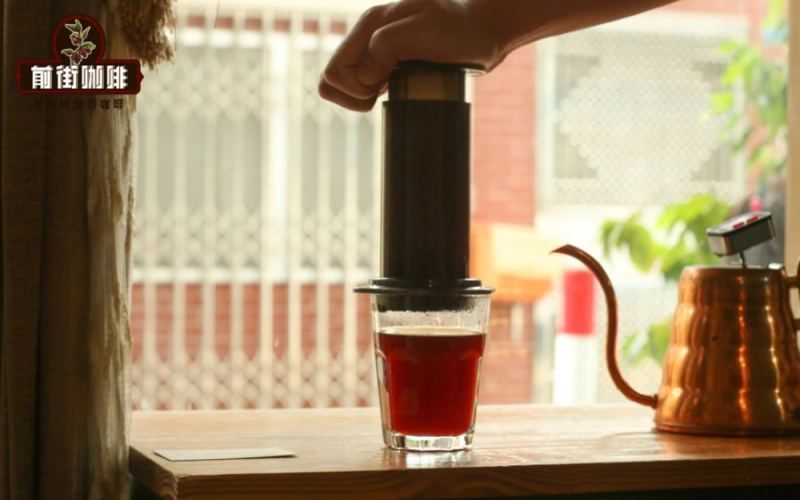
Aeropress Brewing Complete Analysis: From Equipment Principles and WAC Competitions to Front Street Coffee Kenya Inverted Method Practical Parameters
The AeroPress, a uniquely shaped brewing device, came from a company best known for flying discs, yet after its launch in 2005 it quickly took the specialty coffee world by storm, even spawning a dedicated World AeroPress Championship (WAC) and a documentary. With its manual pressure, fast brew times, and easy portability and cleanup, it has become a daily choice for many coffee lovers. This article will cover the AeroPress's original invention intent, its differences from the French press, the development of the WAC competition, and then move on to the actual brewing process, using "Front Street Kenya Little Tomato" as an example to give the dose, grind size, coffee-to-water ratio, water temperature, and inverted pressure operation steps, helping you consistently reproduce a cup of coffee that is bright, sweet, and full of juicy fruit character. [more…]
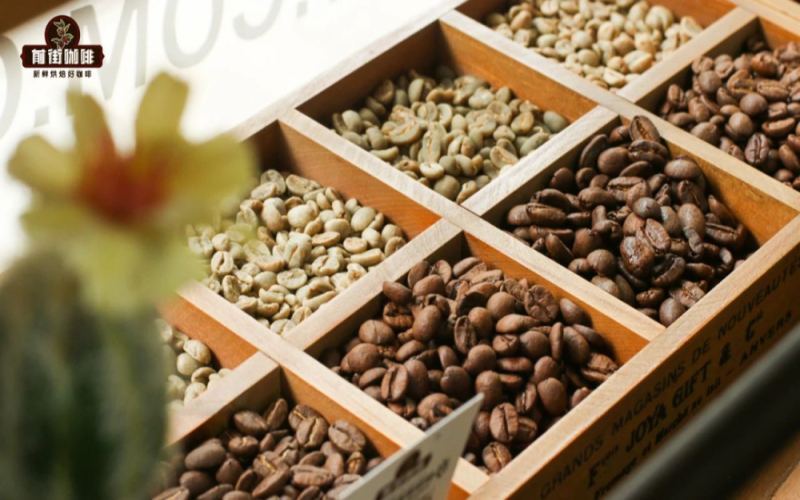
Geisha Coffee Beans Explained: Is It Arabica? Origin Story and Flavor Characteristics Revealed
Geisha coffee has won numerous awards in various competitions in recent years, becoming a star variety in the specialty coffee world. But many people may not know that Geisha actually belongs to the Typica family and is also a member of the Arabica species. It was first discovered in 1931 in the Geisha forest of Ethiopia, then traveled through many countries, and finally shone brightly in the Boquete region of Panama. This article will guide you through Geisha's variety classification, historical origins, flavor characteristics, and the differences between Hacienda La Esmeralda's Red Label, Green Label, and Volcan Rock Geisha, and share Front Street Coffee's brewing suggestions to help you fully understand this legendary coffee bean. [more…]
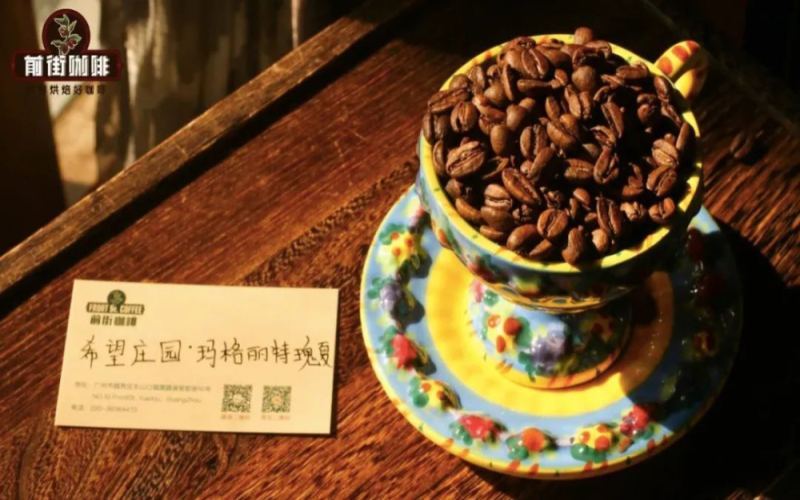
Colombia Cauca Region Finca La Esperanza Geisha Coffee Beans: A Full Analysis of the Estate Background, Terroir Conditions, and Variety Experiments
Front Street Coffee recently acquired a sun-dried Geisha coffee bean produced by Colombia's Finca La Esperanza. When brewed, it presents aromas of blueberry and smoked plum, with layers of blackcurrant juice, orange, and berry flavors on the palate, a full-bodied juicy feel, and a red-wine-like texture in the finish. This Geisha comes from a renowned, long-established estate in Colombia—Cafe Granja La Esperanza, whose Chinese name means "Hope." Over the past decade, Finca La Esperanza has accumulated more than sixty awards in major global coffee competitions, is a regular contender in Colombia's green coffee competitions, and has even crossed regions to participate in Panama's Best of Panama (BOP) competition with notable results. This article will provide a comprehensive introduction to this legendary estate from the perspectives of its background, the terroir of the Cauca growing region, the history of its variety introductions, and its processing techniques. [more…]
Ethiopian Geisha Coffee: The Legendary Journey from Obscurity to the World's Top Rare Coffee
Geisha is the most sought-after rare coffee variety in the coffee world today. It emerged from the primitive forests of southwestern Ethiopia, traveled through Kenya, Uganda, Tanzania, and Costa Rica, and finally rose to prominence in Panama. Over the past decade or so, Geisha has swept major coffee competitions, winning more than twenty championships, leaving Blue Mountain and Hawaiian Kona in the dust. At the 2016 World Coffee Championship in Dublin, two-thirds of the competitors chose Geisha. This article will give you a comprehensive understanding of Geisha's origins, its spread, the reasons behind its high price, the differences between the red, green, and blue labels, and its stunning flavor profile. [more…]
Ethiopian Sidamo vs. Uraga Coffee Comparison: Flavor Analysis of a COE Natural Typica and a TOH Washed Heirloom Variety
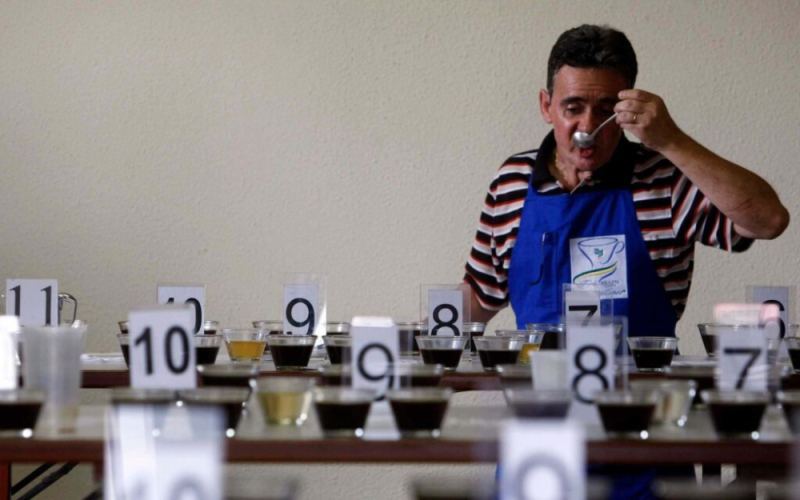
Front Street Coffee has recently added two competition-grade Ethiopian coffee beans to its lineup: a natural Typica that placed 22nd in the COE Cup of Excellence competition, and a native variety that won the washed group championship in the TOH tournament. This article provides a systematic comparison of these two Front Street Ethiopian coffee beans across multiple dimensions, including competition background, growing region, coffee variety, green bean processing, roasting curve, cupping performance, and brewing recommendations. Readers can use this to understand the differences between the COE and TOH competitions, the terroir characteristics of the Sidamo Arsi and Uraga producing regions, the varietal traits of Typica versus Ethiopian native heirloom varieties, and the influence of natural and washed processing methods on flavor direction, providing a reference for daily purchasing and brewing. [more…]
What Are COE Auction Coffee Beans? A Complete Guide from the Competition Mechanism to Front Street Coffee's Ethiopia COE22
In the world of specialty coffee, COE (Cup Of Excellence) has long been regarded as one of the most credible competitions. It not only determines whether a lot of coffee beans can be sold through auction, but also directly affects a estate's reputation and the income of coffee farmers. This article will walk you through the COE competition format and process, the advantages of auction coffees, and why it has maintained its authoritative status among numerous competitions. At the same time, we will also talk about a coffee on Front Street Coffee's bean list—an auction lot from Ethiopia's first COE competition in 2020, COE22—and look at the origin story and flavor performance behind it, as well as how to bring out its best state in daily brewing. [more…]
Front Street Brazil Oberon Estate Natural Beans: A Recommended Pulped Natural Single-Origin from the 1,500m Minas Plateau
Brazil, as the world's largest coffee-producing country, has long been known for its commercial beans, but the rise of coffee competitions after 2000 brought specialty estates in the Cerrado Mineiro region to prominence. Front Street Coffee's Brazil Oberon Estate natural bean comes from the Cerrado Mineiro at an altitude of 1,500 meters, processed using the natural sun-dried method, with green beans sized 17-18 screen, yellowish-brown in color, and a yellow center line. This bean reveals peanut-nut aromas and tropical fruit sweetness at a light roast, and can be roasted even lighter to present a rare fruity fermented wine aroma; at a dark roast, it brings honey milk-candy sweetness and dark chocolate aromas, with a creamy, mellow mouthfeel. Whether served as a single origin or used as a blend base, it is a stable, fragrant Brazilian natural bean with ample sweetness. [more…]
Exploring Colombia's Hacienda La Esperanza Geisha: The Sun-Dried Flavor Journey from Finca Potosí to Finca Margarita
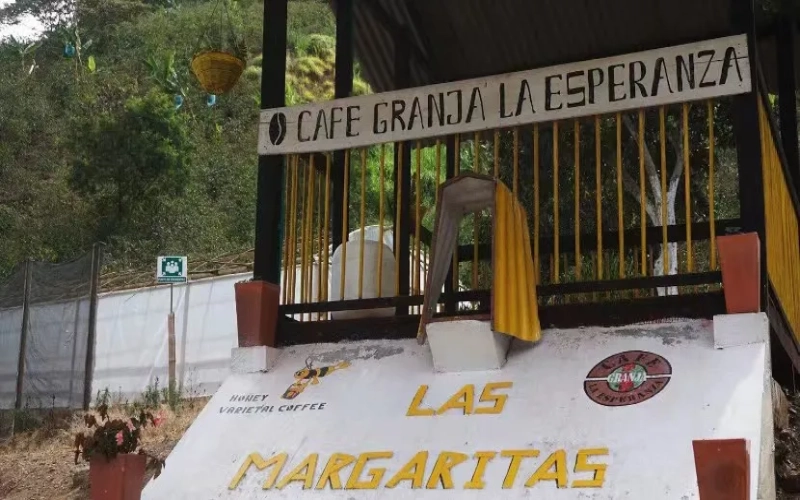
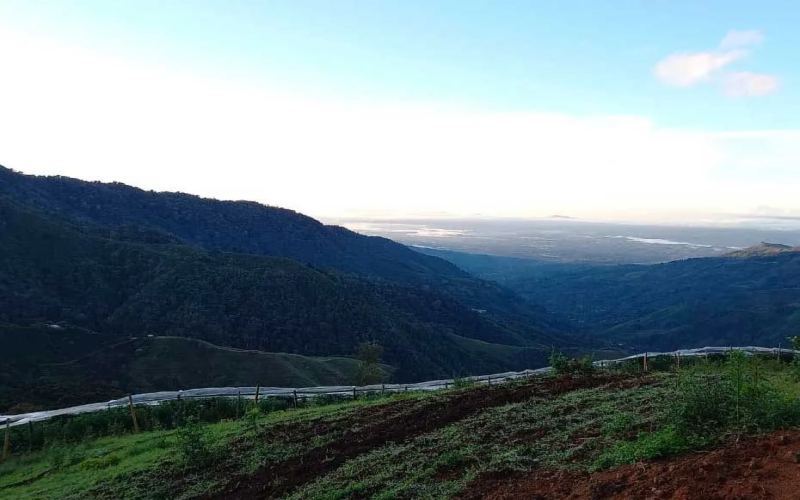
In the past decade, a coffee estate in Colombia has won more than sixty awards at major coffee competitions around the world, and is known within the industry as coffee's "rising star" — this is Finca La Esperanza. From a couple acquiring Finca Posido to the family gradually expanding to five estates, and then in 2007 leasing the La Carreta farm in Boquete, Panama, and winning the BOP championship, the rise of Finca La Esperanza has been full of legendary color. This article will take you through the historical development of Finca La Esperanza, the terroir advantages of Cauca Department, and a tasting of a sun-dried Geisha from Finca Margarita, to experience the charm of flavors interwoven with blackcurrant, blueberry, and red wine. [more…]
Front Street Coffee Detailed Guide to Guatemala Huehuetenango Miravalle Estate Green Bourbon Coffee Beans
The highlands of Huehuetenango in Guatemala, with their fertile volcanic soil and unique cloud-shrouded valley microclimates, give rise to specialty coffee with rich layers of flavor. This time, Front Street Coffee brings us the washed green Bourbon beans from Miravalles Estate, a farm founded by Benjamin Villatoro in 1970 and now carried on by Jorge Villatoro, which has achieved outstanding results in the C.O.E. and Huehuetenango highland competitions for many consecutive years. This coffee uses a blend of Bourbon, Catimor, and Caturra varieties, grown at 1,500 meters and given a medium roast, presenting an elegant profile interweaving honey, wild ginger flower, sugarcane sweetness, and malic acidity. This article will provide a comprehensive analysis of this coffee, which represents the Huehuetenango style, from the estate's background and the terroir of the growing region to its flavor expression. [more…]
An In-Depth Look at the Flavor Profile of Brazil's Queen's Farm Yellow Bourbon Pulped Natural Coffee and Its COE Award Journey
The Queen Estate in Brazil's Mogiana region, as a frequent winner at the COE Cup of Excellence, cultivates Yellow Bourbon varieties using the pulped natural process, revealing a complex flavor profile interweaving orange peel spice, roasted hazelnut and cinnamon, citric acidity, and sugarcane sweetness. This article provides a detailed record of the estate's glorious track record in COE competitions from 2000 to 2014, and introduces the Carvalho Dias family's management legacy since 1890. Front Street Coffee's Brazil selection features this 100% Yellow Bourbon pulped natural green bean, taking you to experience the Queen Estate's silky, delicate mouthfeel and lingering finish. [more…]
Costa Rica Don Mayo Estate Geisha Flavor Analysis: A Complete Guide from Cup of Excellence Champion to Honey Processing
Don Mayo Estate is located in the Tarrazú region of Costa Rica and has been managed by the Bonilla family since 1994. With its high-altitude terroir and meticulous management, it has won numerous awards in Cup of Excellence competitions. The estate comprises fourteen plots, cultivating varieties such as Geisha and Catuai, and is renowned for its honey processing. This article reviews the estate's development history, plot characteristics, and award-winning journey, and combines two beans sourced by Front Street Coffee—Cedar Plot Red Honey Geisha and Vista Plot Black Honey Catuai—to present their flavor profiles and processing details for coffee enthusiasts' reference. [more…]
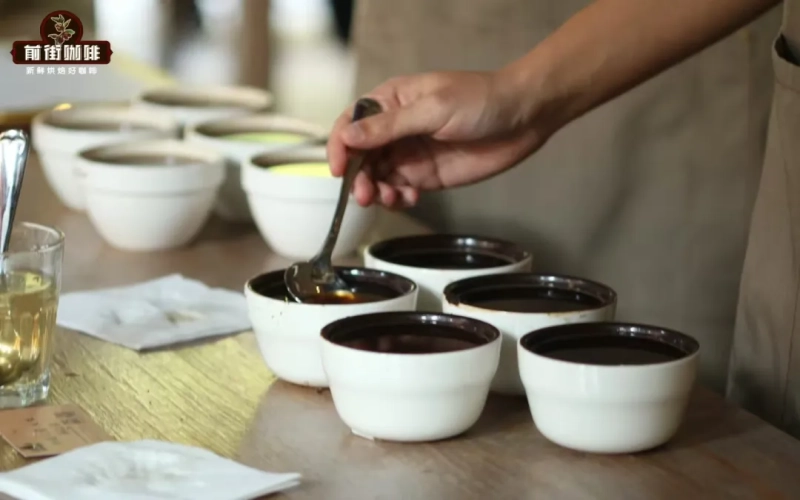
The Standardized Process and Key Operational Points of Coffee Cupping: A Complete Analysis from Equipment Preparation to Evaluation Purposes
Cupping was originally created simply as a way to quickly judge the quality of a commodity, but later people discovered that it is less influenced by human factors and can evaluate a coffee fairly objectively. Today, cupping is no longer limited to green bean traders and roasters; everyone from upstream to downstream in the industry uses it to check coffee bean quality, and even world-class coffee competitions include dedicated cupping events. Recently, Front Street Coffee has had quite a few friends come into the shop asking about cupping methods, wanting to hold a cupping session at home or in their own shop. So Front Street Coffee will explain in detail the equipment needed for cupping, the specific process, and points to note, so that everyone can try it themselves and experience the difference between cupping flavors and everyday brewing. [more…]